
Current Issue
This is a report on the disaster profile of Ethiopia based on a review of the existing literature, journal, articles, reports and Emergency Database (EM-DAT) of the Centre for Research on the Epidemiology of Disasters (CRED) combined with in-depth, comparative textual analysis of main disasters which have been affecting the country.
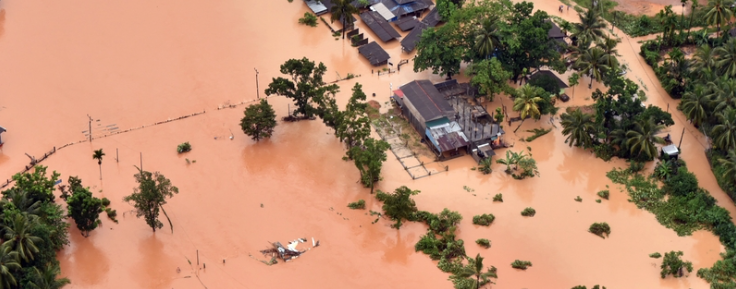
The report outlines disaster of drought, Flood, Landslide, Earthquake, and Volcano. Moreover, it includes historical review of epidemic and recent phenomena of internal displacement in the Country. This descriptive report will outline the major disasters of the country and its impact on health, environmental, economy and development of populations affected. It will focus on the main disasters that has happened in the last 50 years. The report will also outline the national policy and strategies on disaster risk management and growth and transformation plan (GTP II) targets of the National Disaster Risk Management Commission (NDRMC). Review of wereda (district) disaster risk profiling structure and logical frameworks are included in this review from national disaster risk management commission.
Information on Ethiopia disaster risk profile will contribute to a stronger understanding of a country’s past and current disaster situations and its impact, disaster risk factors, its policy and methods and sheds light on the advance of the disaster risk reduction and management policy and programs.